The Oceans as Battlefield
The Development of Sonar
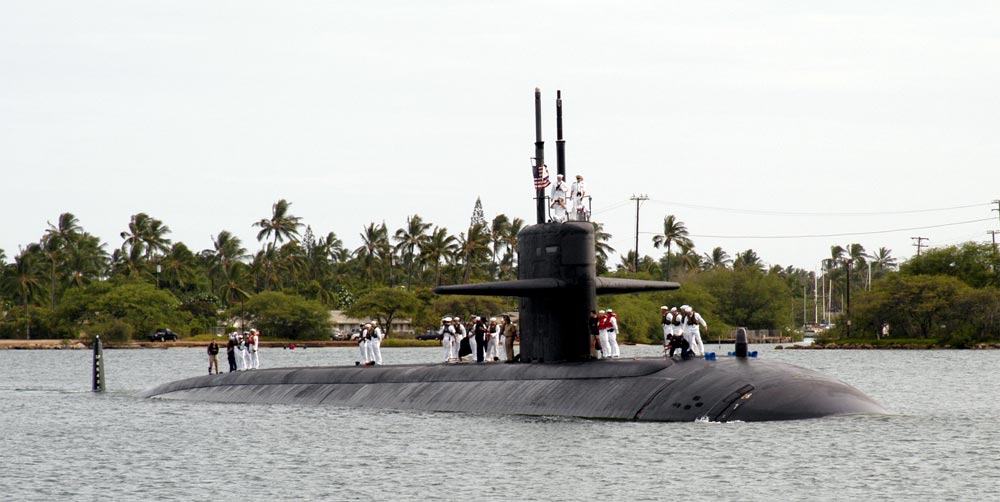
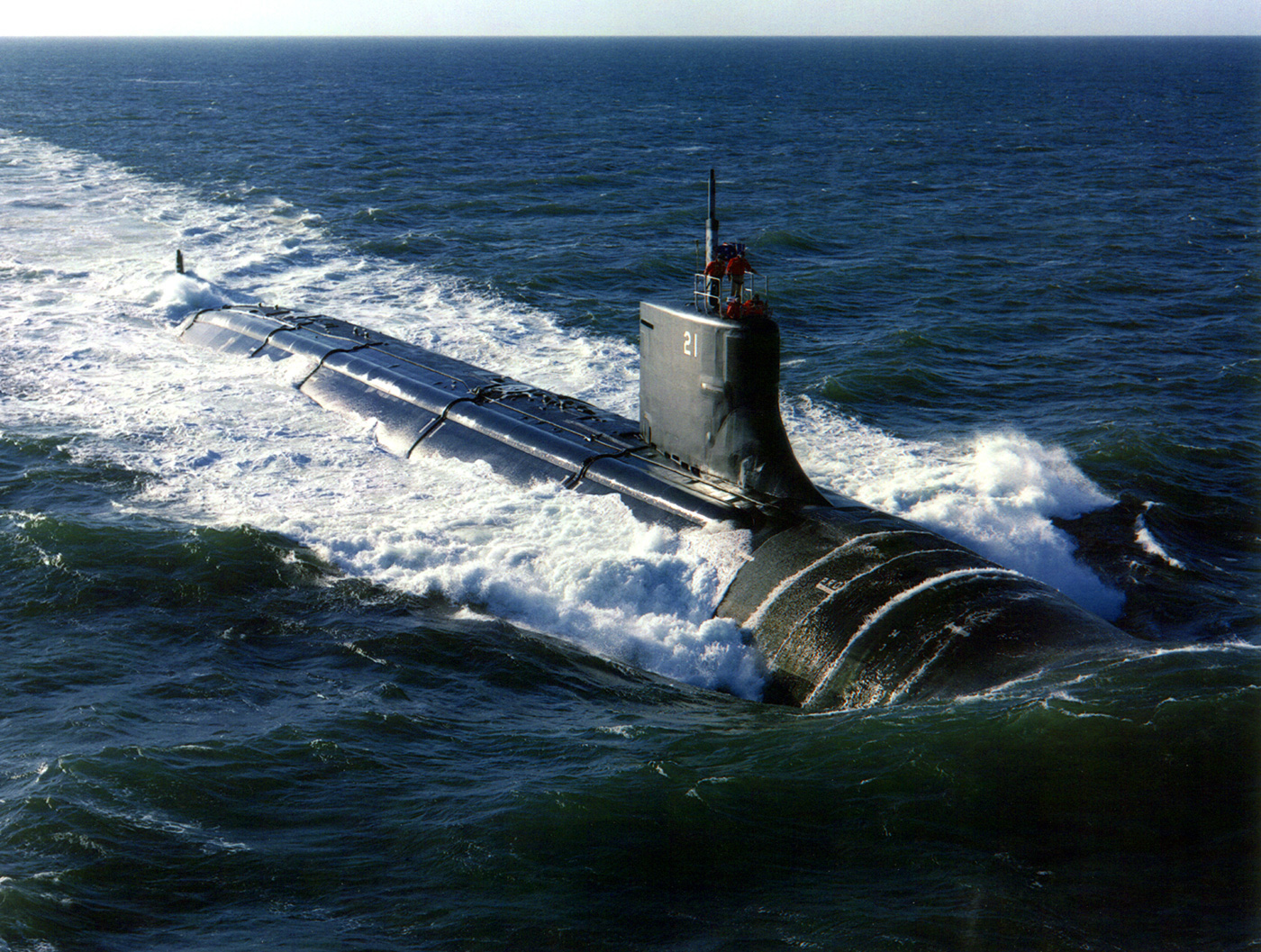
The oceans have always played a big role in wars. Ships transported armies and supplies, blockaded harbors, besieged cities, and attacked enemy ships doing the same things. But the Civil War helped launch a stealthy new seagoing weapon that became common in 20th century warfare-submarines.
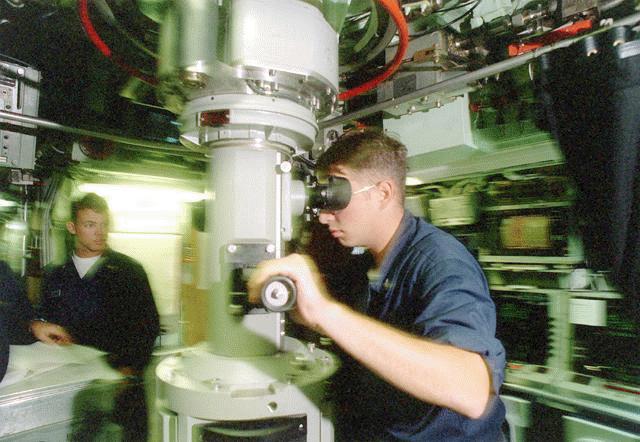
To combat this new threat, Navy leaders soon realized that they could detect submarines using sound transmitted through water. Huge efforts began to develop sonar, a word that is a combination of abbreviations (an “acronym”) for “sound,” “navigation” and “ranging.” (Interestingly, sonar was first developed to help avoid icebergs after the Titanic sank.)
For oceanographers, sonar provided a much easier way to measure the ocean depths accurately. On the 1872-76 Challenger Expedition, for example, crew members threw overboard a 200-pound weight attached to miles of hemp rope. They waited until it hit bottom, measured the rope length, and then had to haul it back on board-a process that took hours for one measurement!
Sonar allows scientists to use sound waves to measure the distance from the ocean surface to the seafloor. Ships’ hulls are equipped with devices called transducers that transmit and receive sound waves. Echo sounders were first used for oceanographic studies during the epic German expedition exploring the South Atlantic in the mid-1920s aboard the Meteor. Today echo sounding remains the key method scientists use to make bathymetric maps of the seafloor. For the last 30 years, marine scientists have used multibeam sonar, which can automatically make very detailed contour maps of large areas of seafloor as a research ship travels fast (about 12 knots) over the ocean surface. Today, many different types of sophisticated sonars exist. They can tell us not only about seafloor depths, but also about the structure of the ocean floor and even about currents and life in the ocean.
The military also developed other tools that also proved useful to oceanographers, such as the magnetometer, which measures magnetic fields. The Navy uses it to detect the large metal hulls of submarines. Oceanographers use it to learn about magnetic properties of seafloor rocks. As it turned out, these properties provided key clues that completely changed our thinking about how our planet works.